AI-Enabled Edge Analytics The most significant technological advancement is the shift from cloud-dependent processing to


Digital Security
 By cn4ly
January 07, 2026
By cn4ly
January 07, 2026
Why Every Home Needs Smart Security
By cn4ly
January 07, 2026
The New Standard of Home Protection: From Luxury to Necessity
Market Trajectory and Consumer Adoption
The global smart home security market is experiencing explosive growth, valued at $33.2 billion in 2025 and projected to reach $117.37 billion by 2034, growing at a CAGR of 15.10% . This isn’t merely a technology trend—it’s a fundamental shift in how society approaches residential safety. North America currently dominates with 35.70% market share ($11.84 billion in 2025), driven by high consumer awareness, disposable income, and early adoption of smart home technologies .
The adoption demographics are particularly telling: 72% of millennials are willing to pay more for properties already equipped with smart home systems, indicating that security technology has become a critical factor in real estate valuation and desirability . This generational shift suggests that smart security will soon transition from “premium feature” to “standard expectation” in residential properties.
The Economic Case: Beyond Protection to Financial Returns
Insurance Premium Reductions Homeowners with professional security systems can achieve up to 15% reductions in insurance premiums, translating to average annual savings of $263 . However, this represents just the baseline. The insurance ecosystem is evolving rapidly—carriers like American Family now incentivize installations through premium discounts, creating a “virtuous cycle of adoption” where better security leads to lower costs, which drives further adoption .
Energy and Time Savings The financial benefits extend beyond insurance. In the U.S., homeowners save up to $98 annually through smart device integration, and 57% of Americans report that smart devices save them significant time . When security systems integrate with HVAC and lighting controls, they optimize energy consumption based on occupancy patterns—turning security infrastructure into energy management tools.
The Technology Stack: How Modern Systems Work
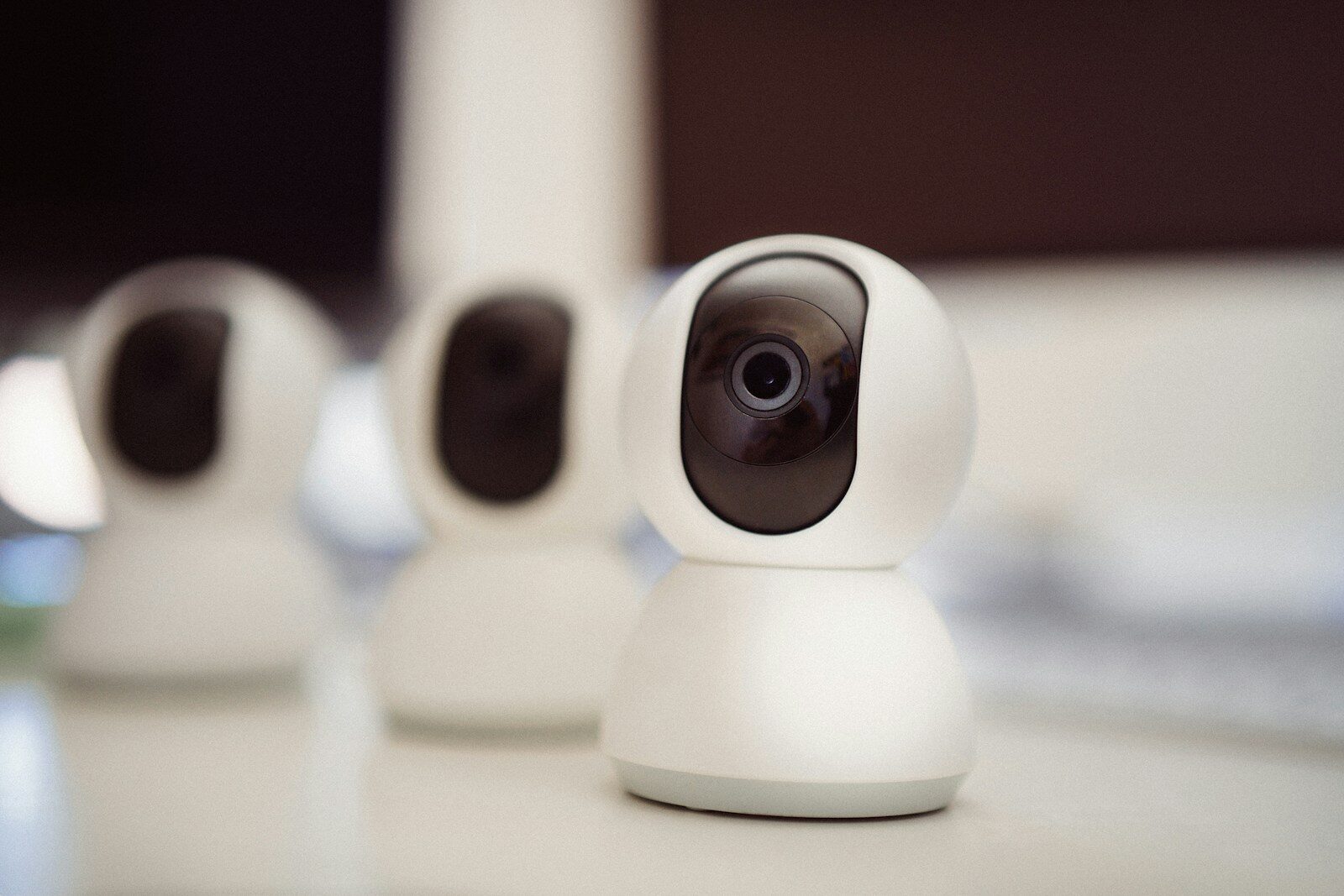
AI-Enabled Edge Analytics The most significant technological advancement is the shift from cloud-dependent processing to edge-based AI analytics. Smart cameras now equipped with on-device neural processors can recognize pets, vehicles, and familiar faces, slashing nuisance alerts that previously eroded user trust . Synaptics’ 2025 Systems-on-Chips demonstrate how edge inference trims latency and curbs cloud egress, improving response times while lowering bandwidth costs .
This edge computing approach delivers multiple benefits:
- Sub-second response times for critical alerts
- Continued operation during internet outages
- Enhanced privacy (sensitive data processed locally)
- Reduced vulnerability to cloud-based breaches
The Matter/Thread Revolution The connectivity landscape is transforming through Matter and Thread protocols, promising self-healing mesh coverage and sub-milliwatt idle draw for always-on perimeter sensors . These standards, backed by the Connectivity Standards Alliance with cryptographic attestation, are projected to grow at a 13.74% CAGR—addressing the fragmentation that previously plagued smart home ecosystems .
Comprehensive Protection Ecosystems
Modern smart security extends far beyond burglar alarms:
1. Environmental Threat Detection Smart sensors now monitor for fire, flood, carbon monoxide, and air quality issues. These systems can automatically shut off water valves when leaks are detected, alert emergency services to fires when occupants are away, and monitor indoor air quality for health hazards .
2. Integrated Access Control Converged doorbell-lock cameras represent the fastest-growing segment at 13.59% CAGR, collapsing entry control and surveillance into single installation points . Products like the Lockly Guard Vision layer HD optics, fingerprint access, and RFID fallback—streamlining both contractor labor and mobile app management .
3. Behavioral Learning and Adaptation Advanced systems learn household routines and adapt accordingly. They recognize when family members typically arrive home, adjust sensitivity based on time of day, and can even detect anomalies in behavioral patterns that might indicate medical emergencies or security concerns.
The Multi-Dwelling Unit (MDU) Revolution
While independent homes currently contribute 45.55% of market revenue, the 13.82% CAGR in Multi-Dwelling Units (MDUs) highlights a significant shift . Property managers are increasingly adopting centralized security systems that:
- Monitor lobbies, garages, and common areas from unified command centers
- Provide unit-level privacy partitions while maintaining situational awareness
- Lower unit economics through bulk procurement
- Reduce tenant churn through inherited pre-configured services
This MDU trend is particularly significant in urban centers where rental density is high and landlords negotiate volume pricing while integrating keyless entry with maintenance ticketing and parcel delivery systems .
Addressing the Privacy Paradox
Despite compelling benefits, 1 in 4 camera users worry about hackers accessing their feeds . This legitimate concern has catalyzed industry-wide security improvements:
Cybersecurity Measures
- Secure boot and hardware root of trust implementations
- Coordinated vulnerability disclosure programs
- SOC 2 attestations required by insurers
- Post-quantum cryptography preparations for future computing threats
- Zero Trust Architecture for physical access control
Data Sovereignty and Transparency The 2024 Betterley report notes that underwriters now require detailed penetration test results, with double-digit rate hikes for manufacturers with porous firmware update pipelines . Brands embedding robust security programs earn favorable insurance terms and market their coverage status as competitive differentiators.
The Services Monetization Shift
The market is experiencing a pronounced shift from hardware sales to cloud subscriptions, with services projected to grow at 13.66% CAGR . Platforms like Arlo Secure 6 bundle:
- Forensic video search capabilities
- Object classification and custom detection modes
- Emergency response escalation
- Multi-tiered service plans
This subscription model boosts average revenue per user and mitigates seasonality, as recurring fees decouple cash flow from holiday device sales cycles .